Construction to Solar Pivot: 2026 Retraining Trends
How framers and roofers can pivot to solar installation, get NABCEP certified, and earn $4-12/hour more in 2026.
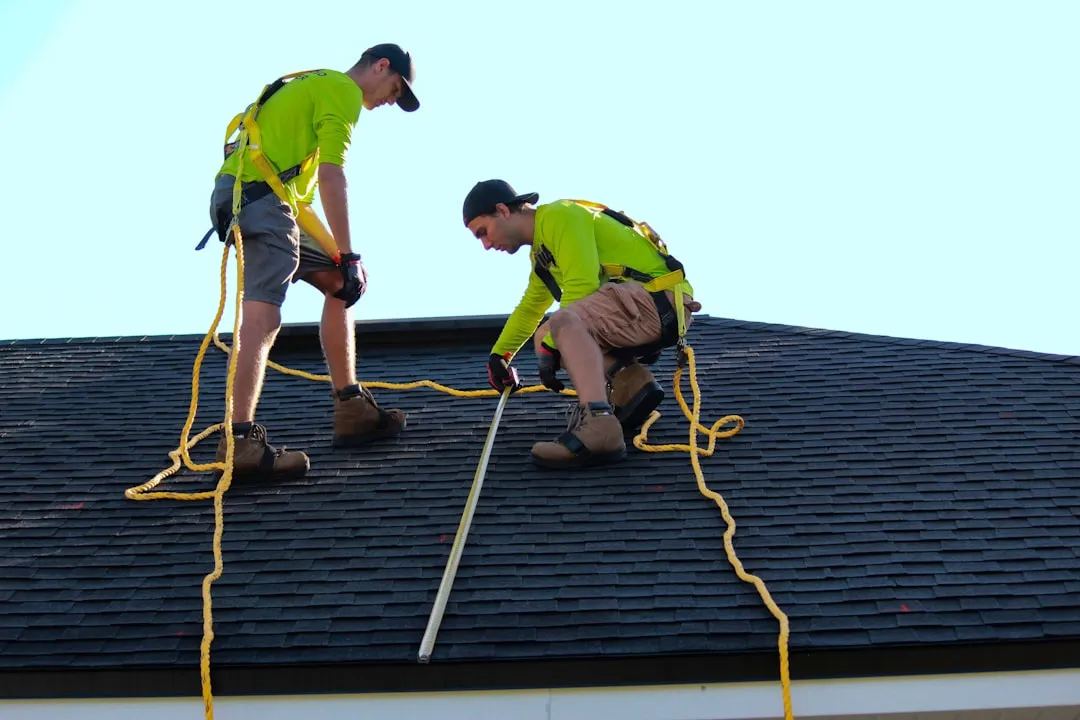
The Inflation Reduction Act extended solar tax credits through 2032, triggering an installation boom. Meanwhile, housing starts have slowed 25% from their 2022 peak. For framers, roofers, and general construction workers, the math is clear: solar installation is where the growth is.
The Market Shift
Solar installation employment is growing at 22% annually—one of the fastest rates in the US economy. Traditional residential construction is flat or declining in most markets. The workers making the transition now are positioning themselves for decades of steady work.
More importantly, the skills transfer is substantial. If you can work on a roof, read blueprints, and understand basic electrical concepts, you already have 70-80% of what’s needed for solar installation.
Skills That Transfer Directly
From Roofing
- Roof safety and fall protection
- Shingle and tile removal/replacement
- Flashing and waterproofing
- Ladder and staging setup
- Working in heat and weather
From Framing
- Blueprint reading
- Structural load understanding
- Tool proficiency (drills, saws, levels)
- Measurement precision
- Team coordination on job sites
From Electrical (if applicable)
- Wire routing and management
- Conduit installation
- Basic circuit understanding
- Code compliance awareness
What You’ll Need to Learn
Solar-Specific Skills
DC Electrical Systems
Solar panels produce DC (direct current), unlike household AC. You’ll learn series vs. parallel wiring, voltage calculations, and how to size systems. This is learnable in 40-60 hours of training.
Inverter Installation
Inverters convert DC to usable AC power. Understanding inverter types (string, micro, hybrid), placement, and connection is essential.
Racking Systems
Mounting solar panels requires specialized racking. You’ll learn roof attachment methods (lag bolts, tile hooks, rail-less systems) and how to maintain roof integrity.
NEC Code Compliance
National Electrical Code Article 690 covers solar installations. You don’t need to memorize it, but you’ll need to understand rapid shutdown requirements, grounding, and labeling.
Certification Pathway
Entry Level: NABCEP PV Associate
Cost: $225 exam + $200-500 prep course
Time: 40-60 hours study
Prerequisites: None
The PV Associate credential proves you understand solar fundamentals. Many employers require it for hiring or offer pay bumps upon completion. This should be your first certification target.
Professional Level: NABCEP PV Installation Professional
Cost: $475 exam + training costs
Time: Requires 40+ hours training AND 100+ hours field experience
Prerequisites: Documented experience
The full NABCEP certification is the industry gold standard. It typically takes 1-2 years of working in solar to qualify, but it’s the credential that enables foreman and project management roles.
State Licensing Requirements
Licensing varies dramatically by state:
- California: C-46 Solar Contractor license required for system installs
- Texas: Electrical license required; no solar-specific license
- Florida: Certified solar contractor license available
- Arizona: CR-39 license for solar installation
Check your state’s contractor licensing board for specific requirements. Many states allow installation work under a licensed contractor’s supervision while you build hours toward your own license.
Training Programs
Community College Programs
Many community colleges now offer solar installation certificates. Typical programs run 12-16 weeks and cost $2,000-5,000. These often include hands-on lab time with actual equipment. Before paying out of pocket, check whether your current employer offers tuition assistance—our guide to employer-funded career pivots explains how to tap those benefits.
Notable programs:
- Santiago Canyon College (CA) — Solar Installation Certificate
- Austin Community College (TX) — Solar PV Installer Program
- Mesa Community College (AZ) — Sustainable Energy Technology
Manufacturer Training
Major solar companies offer free or low-cost training on their equipment:
- Tesla/SolarCity — Internal training program (requires employment)
- SunPower — Dealer certification training
- Enphase — Microinverter certification courses
Online Options
Solar Energy International (SEI) — Highly respected online courses with optional hands-on labs. $1,000-2,500 for comprehensive programs.
Compensation Comparison
| Role | Hourly Range | Annual (Full-Time) |
|---|---|---|
| Residential framer | $18-28 | $37k-58k |
| General roofer | $16-26 | $33k-54k |
| Solar installer (entry) | $20-28 | $42k-58k |
| Solar installer (experienced) | $28-40 | $58k-83k |
| Solar foreman/lead | $35-50 | $73k-104k |
The premium over traditional construction work is typically $4-12/hour once you have a year of solar experience and NABCEP credentials. A related green-energy trade worth exploring is heat pump installation, which offers a similar skills overlap and demand curve.
Getting Your First Solar Job
Entry Points
1. National installers — Companies like Sunrun, Sunnova, and Tesla Solar hire continuously. They provide training but pay at lower end initially.
2. Regional solar companies — Often offer better pay and advancement than nationals. Search “solar installer” + your city on Indeed.
3. Electrical contractors expanding into solar — Your construction experience is a selling point. They need roof comfort that electricians often lack.
Resume Tips
Emphasize transferable skills:
- “5 years roof work experience including steep-slope and flat roofs"
- "Blueprint reading and structural load assessment"
- "OSHA 30 certified with zero safety incidents"
- "Currently pursuing NABCEP PV Associate certification”
The Integrated PV Opportunity
The highest-growth segment is Building-Integrated Photovoltaics (BIPV)—solar shingles and tiles that replace traditional roofing. Tesla Solar Roof, GAF Energy Timberline Solar, and CertainTeed Apollo all require installers who understand both roofing AND solar.
Construction workers with roofing backgrounds are ideal candidates for BIPV installation. This specialty commands the highest wages in the solar field because so few workers have the combined skillset.
The Verdict
The construction-to-solar pivot is one of the most practical career transitions available in 2026. The skills overlap is substantial, the training pathway is clear, and the demand outlook is strong for at least the next decade.
Start with NABCEP PV Associate certification while applying to entry-level installer positions. Within 2-3 years, you can be earning significantly more than traditional construction work with better job stability.
Run the Numbers on Your Pivot
Use our Career Pivot ROI Calculator to estimate your personal timeline, training costs, and projected salary increase for the construction-to-solar transition.
Frequently Asked Questions
Do I need an electrical license to install solar?
It depends on your state and the scope of work. In many states, you can install panels and racking under a licensed contractor’s supervision without your own electrical license. The final electrical connection often requires a licensed electrician. Check your state’s specific requirements.
Is solar installation year-round work?
More than traditional roofing, yes. Installations continue through winter in most climates (panels actually perform better in cold). Some slowdown occurs in regions with heavy snow, but less seasonal volatility than construction overall.
What’s the long-term outlook for solar jobs?
Strong through at least 2035. Federal tax credits run through 2032, state mandates continue to expand, and battery storage growth will further increase installation demand. The International Energy Agency projects solar will be the largest source of electricity by 2035.
More in Career & Skills
How to Ace Interviews After a Career Change in 2026
Career changers fail interviews by apologizing for their background. Scripts and frameworks that turn your non-traditional path into an advantage.
Freelancing After a Career Change: How to Land Your First Clients
New to freelancing after switching careers? The client acquisition playbook that works without a portfolio or referrals.
7 Signs It's Time for a Career Pivot in 2026
Not sure if you should change careers? These 7 data-backed warning signs say it's time. Plus a free calculator to model your transition ROI.
From Other Topics
Best Budgeting Apps 2026: We Tested 12 for 90 Days
We used every major budgeting app for 90 days. YNAB, Monarch, Copilot, and more ranked by what actually changes spending behavior.
Education & LearningBest Math Apps for Kids 2026: What Actually Builds Number Sense
We tested the top math apps for kids K-8. Which ones build real number sense vs. which ones just drill facts. Organized by age and skill level.
Education & LearningBest Robotics Kits for Kids 2026: Build Real Engineering Skills
We tested 15 robotics kits with kids ages 4-14. Which ones build real engineering skills vs. which are expensive toys. Ranked by age group.