The Eli Health Hormometer: Real-Time Hormone Tracking at Home
A CES 2026 Innovation Award winner offers non-invasive, real-time hormone monitoring. Here's who it's actually for and whether it delivers.
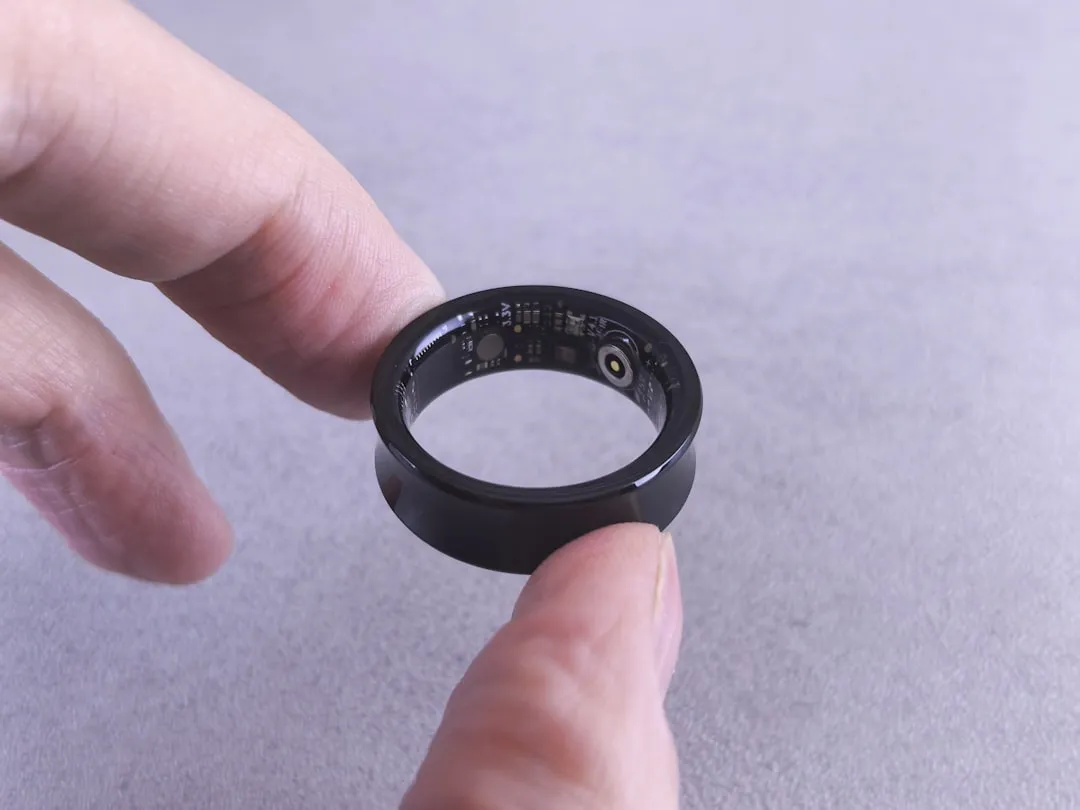
Hormone testing has been stuck in the 20th century: schedule a doctor’s appointment, get a blood draw, wait days for results that show a single snapshot in time. The Eli Health Hormometer, a CES 2026 Innovation Award winner, promises to change that with at-home, saliva-based hormone monitoring that delivers results in minutes. Here’s who it’s for, what it can and can’t do, and whether it’s worth $299.
How the Hormometer Works
The system has three components:
- Collection strips — Saliva-absorbent test strips ($49/month for a 30-day supply)
- Reader device — A palm-sized analyzer that processes the strip using immunoassay technology ($299 one-time)
- Companion app — Tracks trends, provides context, and integrates with Apple Health and Google Fit
Place a saliva sample on the strip, insert it into the reader, and get results in under 10 minutes. No lab, no blood draw, no appointment. The device currently tracks three hormones:
- Cortisol — The stress hormone. Tracked morning and evening to map your diurnal rhythm
- Progesterone — Key for fertility tracking and menstrual cycle monitoring
- Estradiol (E2) — Primary estrogen marker for fertility, perimenopause, and HRT monitoring
Eli Health has announced testosterone and DHEA-S tracking for Q4 2026.
Who This Is Actually For
1. Women Tracking Fertility Cycles
Traditional fertility tracking relies on LH surge detection (ovulation predictor kits) or basal body temperature. Both are indirect markers. The Hormometer provides daily progesterone and estradiol curves that show the full hormonal picture—confirming ovulation definitively and identifying luteal phase defects that OPKs miss entirely.
For women who’ve been trying to conceive for 6+ months without success, this level of data can reveal issues that would otherwise require multiple doctor visits and blood panels to diagnose.
2. Perimenopausal Women
Perimenopause is defined by hormonal chaos—wildly fluctuating estrogen and progesterone that cause unpredictable symptoms. Doctors often dismiss these complaints as “normal aging” because a single blood test can look fine on the day it’s drawn.
The Hormometer’s value here is the trend data. Showing a doctor three months of daily hormone fluctuations is qualitatively different from a single lab result. It provides objective evidence for symptoms that are often minimized.
3. Athletes Monitoring Recovery
Cortisol trends indicate overtraining before performance declines. Endurance athletes and CrossFit competitors can track morning cortisol to optimize training loads—rising morning cortisol over consecutive days signals insufficient recovery. This was previously only available through regular blood testing at $50-100 per panel.
4. HRT Monitoring
Patients on hormone replacement therapy can track their levels between doctor visits, providing data that helps clinicians adjust dosages more precisely. Rather than adjusting based on quarterly blood draws, your doctor sees continuous trend data.
Who This Probably Isn’t For
If you’re a healthy 25-year-old with no symptoms, no fertility concerns, and no specific reason to track hormones, the $299 device cost plus $49/month for test strips is unlikely to provide actionable insights. Hormones fluctuate naturally—tracking them without context can create anxiety about normal variation.
Accuracy: Trend Over Snapshot
Saliva-based hormone testing has clinical validation but lower precision than serum blood tests. Individual readings carry ±15% variance compared to a simultaneous blood draw.
This matters less than it sounds. The value of the Hormometer isn’t any single reading—it’s the pattern across days and weeks. A 15% variance on a single point is noise; a consistent downward trend across 14 data points is signal. The device is designed for trend tracking, not diagnostic-grade single measurements.
| Testing Method | Accuracy | Frequency | Cost Per Test |
|---|---|---|---|
| Serum blood test | ±5% | Monthly at best | $50-100 |
| Eli Hormometer | ±15% | Daily | ~$1.60 |
| At-home dried blood kits | ±10% | Weekly (practical limit) | $30-60 |
The App and Data Integration
The companion app is where the Hormometer’s value becomes clear. Features include:
- Trend visualization — Daily, weekly, and monthly hormone curves with normal range overlays
- Cycle mapping — Automatic menstrual cycle phase identification based on hormone patterns
- Symptom correlation — Log symptoms and see how they map to hormonal shifts
- Apple Health / Google Fit integration — Hormone data alongside sleep, activity, and heart rate
- PDF export — Formatted reports designed for sharing with healthcare providers
Eli Health is working on direct EHR export for Q3 2026, which would allow your doctor to see hormone trends directly in your medical record before appointments—replacing the standard “let’s order another blood panel” approach.
Cost Analysis
First-Year Cost
- Reader device: $299 (one-time)
- Test strips: $49/month × 12 = $588
- Total first year: $887
Compared To
- Monthly blood panels at a lab: $600-1,200/year (12 draws × $50-100)
- Quarterly panels (typical): $200-400/year (but only 4 data points)
- At-home dried blood kits: $1,400-2,800/year for weekly testing
The Hormometer is more expensive than quarterly blood panels but provides 365 data points instead of 4. For users who would otherwise do monthly or biweekly lab testing, it’s actually cost-competitive.
The Verdict
The Eli Health Hormometer fills a genuine gap for people who need frequent hormone monitoring—fertility tracking, perimenopause management, HRT optimization, and athletic recovery. The saliva-based approach trades some accuracy for massive gains in convenience and data density.
It’s not a replacement for diagnostic blood work—your doctor will still order panels for initial diagnosis and major treatment decisions. But as a daily tracking tool that reveals patterns invisible to periodic testing, it’s the most practical consumer hormone monitor available in 2026. It joins a growing wave of at-home health devices, including non-invasive glucose monitors and brain-health tracking on the Samsung Galaxy Watch, that are shifting routine monitoring out of the clinic and into daily life.
Frequently Asked Questions
Does my doctor take saliva tests seriously?
Increasingly, yes. Saliva cortisol testing is already standard in endocrinology. Progesterone and estradiol saliva testing has clinical research backing, though some providers still prefer blood. The key is presenting trend data, not individual readings. Most doctors are receptive when you show months of daily data rather than asking them to act on a single saliva result.
When should I test for most accurate results?
Morning, 30 minutes after waking, before eating or brushing teeth. Cortisol follows a diurnal pattern (highest in morning), so consistent timing matters for comparable readings. For a second daily test, evening (before bed) provides the most useful cortisol curve data.
Can men use the Hormometer?
Currently limited for men. Cortisol tracking works for anyone. Testosterone tracking is announced for Q4 2026, which will make it relevant for men monitoring T levels, especially those on TRT. Until then, the primary use case for men is cortisol-based stress and recovery tracking.
More in Technology
Home Office Tech Setup 2026: The Gear That Actually Matters
Most home office guides recommend gear you don't need. Here's what actually improves productivity, based on remote work research and our testing.
Privacy & VPN Guide for Families 2026: Protect Your Household
Your family's data is being tracked by 40+ companies. A practical privacy setup guide for parents, plus VPN recommendations that actually work.
Best Smart Kitchen Appliances 2026: What's Worth the Premium
Most smart kitchen gadgets are gimmicks. We tested 20+ and found the 7 that actually save time, reduce waste, or cook better food.
From Other Topics
How to Ace Interviews After a Career Change in 2026
Career changers fail interviews by apologizing for their background. Scripts and frameworks that turn your non-traditional path into an advantage.
Lifestyle & HomeBest Budgeting Apps 2026: We Tested 12 for 90 Days
We used every major budgeting app for 90 days. YNAB, Monarch, Copilot, and more ranked by what actually changes spending behavior.
Education & LearningBest Math Apps for Kids 2026: What Actually Builds Number Sense
We tested the top math apps for kids K-8. Which ones build real number sense vs. which ones just drill facts. Organized by age and skill level.