Best Unobtrusive Fall Detection 2026
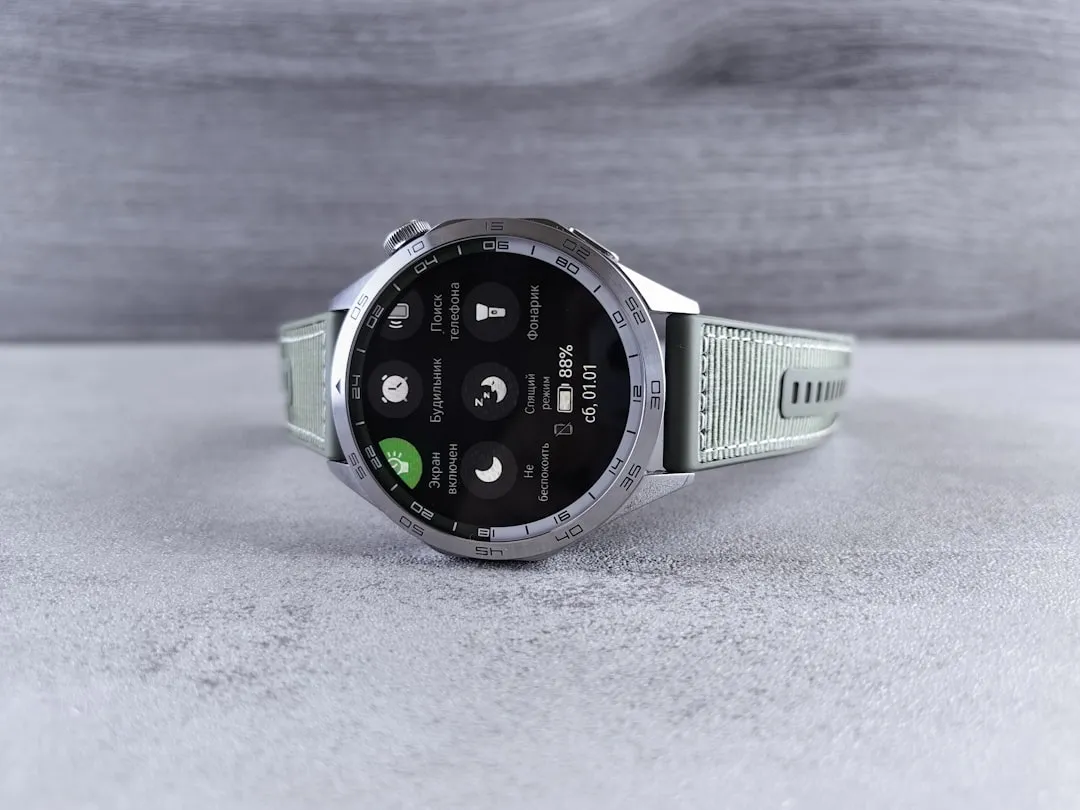
The best fall detection for seniors in 2026 that doesn't look medical: smartwatches, wall-mounted radar, and ceiling sensors compared.
This guide contains affiliate links. If you purchase through these links, we may earn a small commission at no extra cost to you. This helps support The Adaptist.
The “Help, I’ve fallen” pendant has a stigma problem. Many seniors refuse to wear them, seeing the devices as symbols of frailty. In 2026, fall detection has gone invisible—embedded in watches, installed on walls, and woven into daily life without the constant reminder of vulnerability.
Why Unobtrusive Matters
Studies show that 70% of medical alert pendants go unworn. The devices that work best are the ones people actually use. Fall detection is a cornerstone of any aging-in-place technology plan, and modern systems achieve it through two approaches:
- Wearable integration — Fall detection built into smartwatches seniors already want to wear
- Ambient sensing — Radar and AI systems that detect falls without wearing anything
Both approaches have matured significantly in 2026, offering real alternatives to the traditional pendant.
Best Wearable Fall Detection
1. Apple Watch SE (2nd Gen)
Best Overall Wearable — $249
Apple’s fall detection has been refined over five years and now achieves 95% accuracy in distinguishing real falls from similar motions. Key features:
- Hard fall detection — Automatically calls emergency services if you don’t respond within 60 seconds
- Emergency SOS — Hold the side button to call 911 with location sharing
- Medical ID — First responders can view conditions, medications, and emergency contacts
- Heart monitoring — Irregular rhythm notifications and low heart rate alerts
The Apple Watch looks like a normal smartwatch, which is precisely the point. Many seniors wear it for fitness tracking and notifications; fall detection is a background safety net.
Requirements: iPhone 8 or later. Cellular model ($299) recommended for independence from phone.
2. Samsung Galaxy Watch 6
Best for Android Users — $299
Samsung’s fall detection matches Apple’s accuracy and adds hard fall and soft fall differentiation:
- Hard fall — Impact detected, followed by immobility (auto-calls emergency)
- Soft fall — Gradual descent detected (prompts user to confirm they’re okay)
- SOS with location — Sends GPS coordinates to emergency contacts
- Blood pressure monitoring — Unique to Samsung (requires calibration)
Works with any Android phone running Android 10+. LTE model available for phone-free use.
3. Medical Guardian Freedom Guardian
Best Dedicated Device — $349 + $40/month
For seniors who specifically want a medical alert watch (not a “smartwatch they have to learn”), the Freedom Guardian offers simplicity:
- One-button SOS — Large button calls 24/7 monitoring center
- Automatic fall detection — No smartphone required
- Built-in cellular — Works anywhere with cell coverage
- Two-way voice — Speak directly through the watch
The monthly monitoring fee includes professional response—operators can dispatch EMS even if you can’t speak.
Best Ambient (No-Wear) Fall Detection
4. Vayyar Home
Best Wall-Mounted System — $299 + $30/month
Vayyar uses 4D imaging radar to detect falls without cameras or wearables. The sensor mounts on a wall and monitors a room continuously:
- No wearable required — Works even in shower (water-resistant sensing)
- Privacy-preserving — Radar creates 3D point clouds, not images
- Works in darkness — Infrared-independent technology
- Room presence detection — Alerts if no movement detected for unusual periods
Ideal for bathrooms (where 80% of senior falls occur) and bedrooms. Multiple sensors can cover an entire home. If you’re pairing ambient sensors with physical safety modifications, our home accessibility retrofit guide covers grab bars, non-slip flooring, and other essential changes.
5. Amazon Alexa Together + Echo Show
Best Budget Ambient Option — $20/month (uses existing Echo devices)
Amazon’s Alexa Together service adds fall detection to Echo Show devices using camera-based AI:
- Fall detection — Visual AI recognizes fall patterns
- 24/7 urgent response — Professional monitoring included
- Activity alerts — Notify family if no Alexa interaction by a set time
- Remote assist — Family can “drop in” for video check-ins
Requires an Echo Show 10 or newer for fall detection capability. Less accurate than dedicated radar systems but leverages devices many seniors already own.
6. Nobi Smart Ceiling Lamp
Most Discreet Option — $1,200
Nobi replaces a standard ceiling light fixture with an AI-powered fall detection system:
- Completely invisible — Looks like a normal ceiling lamp
- Camera + AI detection — High accuracy fall recognition
- Automatic lighting — Night light activates when movement detected
- No monthly fee — One-time purchase, alerts sent to family app
Premium price but no ongoing costs and truly invisible integration.
Comparison Table
| Device | Type | Cost | Monthly | Pro Monitoring |
|---|---|---|---|---|
| Apple Watch SE | Wearable | $249-299 | $0 | No (calls 911) |
| Galaxy Watch 6 | Wearable | $299-349 | $0 | No (calls 911) |
| Freedom Guardian | Wearable | $349 | $40 | Yes |
| Vayyar Home | Wall radar | $299 | $30 | Yes |
| Alexa Together | Camera AI | $0* | $20 | Yes |
| Nobi Lamp | Ceiling AI | $1,200 | $0 | No (alerts family) |
*Requires existing Echo Show device
Which Approach Is Right?
Choose Wearable If:
- Senior is active and mobile (goes outside regularly)
- They’re willing to wear and charge a watch daily
- Fall risk exists throughout the day, not just at home
- Budget is a primary concern ($0 monthly with Apple/Samsung)
Choose Ambient If:
- Senior refuses to wear devices
- Cognitive decline makes charging/wearing unreliable
- Highest fall risk is in specific rooms (bathroom, bedroom)
- Privacy-preserving monitoring is important
The Verdict
For active seniors who will actually wear a device, the Apple Watch SE at $249 provides the best combination of fall detection, health monitoring, and everyday utility. It’s a smartwatch first, safety device second—which is exactly why people wear it.
For seniors who won’t wear devices reliably, Vayyar Home at $299 + $30/month offers the best ambient solution. Radar-based detection works through steam, darkness, and clothing—critical for bathroom monitoring where most falls occur.
The best fall detection system is the one that’s actually in use. Choose based on your senior’s preferences, not technical specifications.
This guide is part of our Aging in Place Guide 2026 series. Related reading:
- The Boomer Turns 80: Essential Tech for Helping Parents Age in Place
- Home Accessibility Retrofit: Aging-in-Place Without Major Renovation
- Samsung Brain Health on Galaxy Watch
- AI Companion Robots for Seniors
- Smart Home Compatibility Checker
Frequently Asked Questions
Do smartwatches detect falls in the shower?
Apple Watch and Galaxy Watch are water-resistant and will detect falls in the shower. However, many seniors remove watches before bathing. For bathroom coverage, ambient sensors like Vayyar are more reliable.
What about false alarms?
Modern systems have dramatically reduced false positives. Apple Watch asks “It looks like you’ve fallen. Are you okay?” before calling 911. Ambient systems like Vayyar use 30-second confirmation windows. Expect 1-2 false alarms per month initially as the system learns patterns.
Can fall detection work without internet?
Smartwatches with cellular (Apple Watch Cellular, Galaxy Watch LTE) can call 911 independently. WiFi-only devices and ambient sensors require home internet. Consider cellular backup if internet reliability is a concern.
Is professional monitoring worth the monthly cost?
It depends. Professional monitoring can dispatch help even if the senior is unconscious or can’t communicate. However, Apple/Samsung watches call 911 directly, which achieves the same outcome in most cases. Pro monitoring adds value primarily for seniors living alone who may need welfare checks.
More in Lifestyle & Home
Best Budgeting Apps 2026: We Tested 12 for 90 Days
We used every major budgeting app for 90 days. YNAB, Monarch, Copilot, and more ranked by what actually changes spending behavior.
Best Mental Health Apps 2026: What Therapists Actually Recommend
We asked 20 therapists which mental health apps they recommend to patients. The honest results, plus what research says works.
The True Cost of Streaming in 2026: Fees You're Probably Missing
Your streaming bill is higher than you think. We break down the hidden fees, forgotten subscriptions, and bundle traps adding $300-600/year to most households.
From Other Topics
How to Ace Interviews After a Career Change in 2026
Career changers fail interviews by apologizing for their background. Scripts and frameworks that turn your non-traditional path into an advantage.
Education & LearningBest Math Apps for Kids 2026: What Actually Builds Number Sense
We tested the top math apps for kids K-8. Which ones build real number sense vs. which ones just drill facts. Organized by age and skill level.
Education & LearningBest Robotics Kits for Kids 2026: Build Real Engineering Skills
We tested 15 robotics kits with kids ages 4-14. Which ones build real engineering skills vs. which are expensive toys. Ranked by age group.