Sodium-Ion vs Lithium Batteries 2026: Cost, Safety & Performance
Sodium-ion hit $85/kWh in 2026. We compare cost, safety, cold-weather performance and lifespan vs lithium LFP for home storage. Data-driven guide.
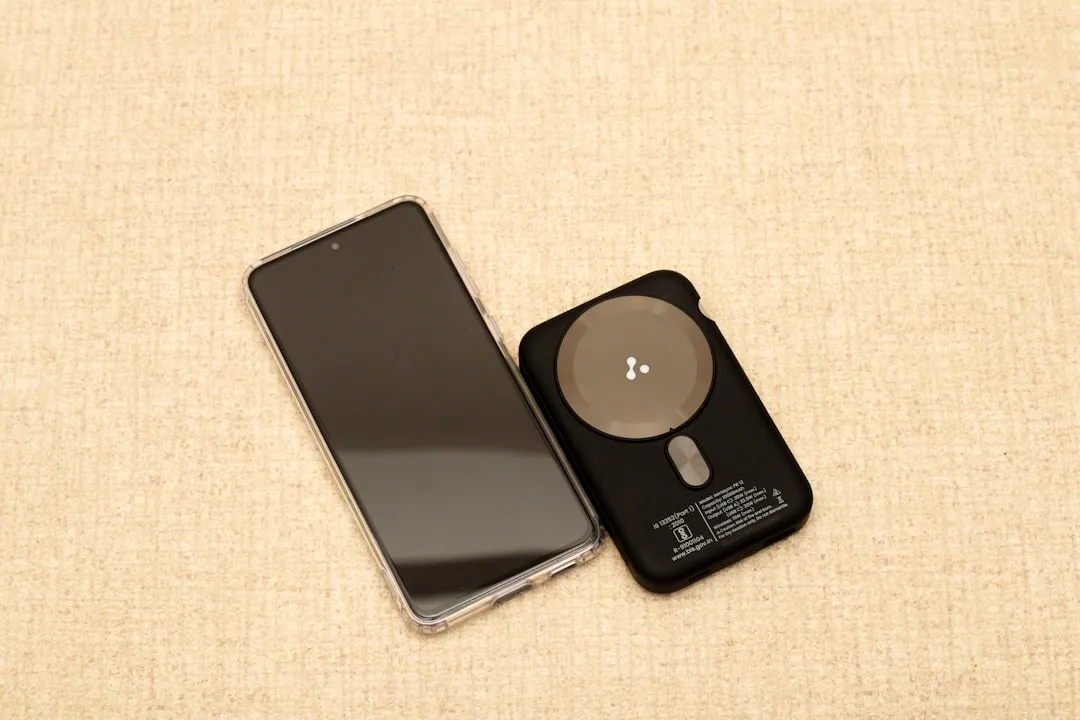
The sodium-ion battery vs lithium-ion battery debate for home energy storage is one of the most important decisions you’ll make in 2026. With sodium-ion technology finally reaching price parity, the calculus has fundamentally changed. This guide breaks down everything you need to know to make the right choice for your situation. (This guide is part of our Smart Home Guide 2026 series.)
The 2026 Battery Landscape: What’s Changed
For years, lithium-ion (specifically LFP - Lithium Iron Phosphate) dominated the home battery market. Tesla Powerwalls, Enphase batteries, and dozens of competitors all used variations of lithium chemistry. But 2026 marks a turning point.
Chinese manufacturers like CATL and BYD have scaled sodium-ion production to the point where prices have dropped 40% in just 18 months. Meanwhile, lithium prices remain volatile due to mining constraints in Chile and Australia. The result? Sodium-ion batteries now cost $85-110 per kWh compared to lithium’s $130-160 per kWh for equivalent home storage systems.
Head-to-Head Comparison
Energy Density
Lithium wins, but it matters less than you think.
Lithium-ion batteries pack about 150-200 Wh/kg, while sodium-ion sits at 100-140 Wh/kg. This means sodium batteries are roughly 30% larger and heavier for the same capacity. For electric vehicles, this is a dealbreaker. For a battery sitting in your garage? Largely irrelevant.
A 10 kWh sodium-ion system might measure 36” x 24” x 12” versus 30” x 20” x 10” for lithium. Unless you’re working with extremely tight space constraints, the size difference won’t affect your installation.
Safety Profile
Sodium wins decisively.
This is where sodium-ion shines. Lithium batteries, while generally safe, carry a small but real risk of thermal runaway - the chain reaction that causes battery fires. LFP chemistry reduced this risk compared to older lithium-cobalt batteries, but it’s not zero.
Sodium-ion batteries have zero risk of thermal runaway. You can puncture them, overheat them, or short-circuit them without fire risk. For a battery system in your garage - often near your car, water heater, and other equipment - this peace of mind is significant.
Insurance companies have started noticing. Some insurers now offer 5-10% discounts on home policies for sodium-ion installations versus lithium. If you’re still deciding whether a battery makes more sense than a generator for your backup needs, our home battery vs. portable generator comparison breaks down the full trade-offs.
Temperature Performance
Sodium wins, especially in cold climates.
Lithium batteries lose 20-30% of their capacity at freezing temperatures and can be damaged if charged below 32°F (0°C). Most lithium home batteries include heating systems that consume power just to keep the battery functional in winter.
Sodium-ion batteries operate at full capacity down to -4°F (-20°C) without heating systems. For homeowners in Minnesota, Maine, or anywhere with harsh winters, this translates to real-world capacity advantages and lower operating costs.
Cycle Life and Longevity
Effectively tied in 2026.
Modern sodium-ion batteries now achieve 3,000-4,000 cycles to 80% capacity, matching LFP lithium batteries. At one cycle per day, that’s 8-11 years of service life before noticeable degradation. Both chemistries will likely outlast their warranties.
Charging Speed
Sodium has a slight edge.
Sodium-ion batteries can charge from 0-80% in approximately 15-20 minutes without degradation, compared to 30-45 minutes for lithium. For home storage connected to solar, this means sodium batteries can capture more energy during brief periods of peak sun.
Cost (The Real Deciding Factor)
Sodium wins on upfront cost; lithium may win on $/kWh over lifetime.
| Factor | Sodium-Ion | Lithium (LFP) |
|---|---|---|
| Cost per kWh (2026) | $85-110 | $130-160 |
| 10 kWh system installed | $4,500-6,000 | $7,000-9,500 |
| Expected lifespan | 10-12 years | 10-15 years |
| Warranty (typical) | 10 years | 10-12 years |
| Cold weather performance | Excellent (to -4°F) | Poor (needs heating) |
| Fire risk | None | Very low (but non-zero) |
The 30-40% upfront savings on sodium-ion is compelling. However, if lithium batteries last 2-3 years longer (which some data suggests), the lifetime cost per kWh stored could favor lithium. For most homeowners focused on near-term ROI and cash flow, sodium-ion’s lower entry price wins. To see how batteries fit into a complete solar + storage + smart grid setup, check our home energy independence guide.
Sodium-Ion Battery Cost Per kWh in 2026
As of early 2026, sodium-ion home batteries cost between $85 and $110 per kWh at the cell level, translating to roughly $520-$650 per kWh installed (including inverter, mounting hardware, and labor). Comparable lithium LFP systems run $130-$160 per kWh at the cell level and $750-$950 per kWh installed. This 30-40% gap is expected to widen further as sodium-ion manufacturing scales throughout 2026 and 2027, while lithium raw material costs remain constrained by mining capacity.
Best Sodium-Ion Home Batteries in 2026
1. CATL Naxtra Home 10
Best Overall — $5,200 installed (10 kWh)
CATL’s first residential sodium-ion offering dominates the market. Excellent app integration, 10-year warranty, and proven reliability from the world’s largest battery manufacturer. Works seamlessly with most hybrid inverters.
2. BYD Blade Na Series
Best for Expansion — $4,800 installed (10 kWh base)
Modular design lets you start with 5 kWh and expand to 30 kWh over time. Slightly lower efficiency (92% vs CATL’s 94%) but unmatched flexibility.
3. Pylontech Force-Na
Best Budget Option — $3,900 installed (10.6 kWh)
The price leader. Less polished software and an 8-year warranty (vs 10 for competitors), but hard to beat on pure economics.
Best Lithium Home Batteries in 2026
1. Tesla Powerwall 3
Best Ecosystem — $8,500 installed (13.5 kWh)
Still the gold standard for integration. Works flawlessly with Tesla Solar Roof and vehicles. The app is unmatched. Premium price for premium experience.
2. Enphase IQ Battery 5P
Best for Microinverter Systems — $7,800 installed (10 kWh)
If you have Enphase microinverters, this is the obvious choice. Seamless integration and excellent monitoring.
3. Franklin WholePower
Best Value Lithium — $6,900 installed (13.6 kWh)
Often overlooked but excellent performance. Manages both grid and generator backup automatically.
Which Should You Choose?
Choose Sodium-Ion If:
- You live in a cold climate (below freezing winters)
- Upfront cost is your primary concern
- Your garage or installation space isn’t constrained
- You want maximum safety (garage near living space)
- You’re comfortable with newer technology from established manufacturers
Choose Lithium If:
- You need maximum energy density (tiny home, limited space)
- You’re already invested in a lithium ecosystem (Tesla, Enphase)
- You prioritize the longest possible lifespan over upfront savings
- You want the most mature technology with longest track record
The Verdict: Sodium-Ion for Most Homeowners in 2026
For the typical homeowner installing their first battery system in 2026, sodium-ion is the better choice. The 30-40% cost savings, superior cold-weather performance, and inherent safety advantages outweigh lithium’s modest energy density advantage.
The exception: if you’re already in a Tesla or Enphase ecosystem, the integration benefits of staying with lithium are real. Switching ecosystems mid-stream creates complexity that may not be worth the savings. And if you drive an EV, your car battery may already be a backup power source — our complete V2H bidirectional charging guide explains how to use it.
The home battery market has reached an inflection point. Sodium-ion isn’t just “good enough” anymore—for most use cases, it’s now the smarter choice.
Use our Battery vs. Generator Comparison tool to model whether a battery or generator makes more financial sense for your home’s backup power needs.
This guide is part of our Smart Home Guide 2026 series. Related reading:
- Home Battery vs. Portable Generator: 2026 Showdown
- Home Energy Independence 2026: Solar + Storage + Smart Grid Guide
- Your EV Can Power Your Home Now: The Complete V2H Guide
- Smart Home Interoperability in 2026
Frequently Asked Questions
Can sodium-ion batteries power my whole house during an outage?
Yes. A 10-15 kWh sodium-ion system can power essential circuits (refrigerator, lights, internet, medical equipment) for 12-24 hours depending on usage. For whole-home backup including HVAC, you’ll want 20+ kWh regardless of chemistry.
Do sodium-ion batteries work with existing solar installations?
Most do. Any battery that works with standard hybrid inverters (SolarEdge, Victron, Sol-Ark) will work with sodium-ion. Check compatibility with your specific inverter before purchasing.
How long until sodium-ion batteries need replacement?
Expect 10-12 years of useful life with daily cycling. Most manufacturers warranty 10 years or 3,000+ cycles. Degradation is gradual—you’ll have 80% capacity remaining at end of warranty.
Are there any fire risks with sodium-ion batteries?
No. Sodium-ion chemistry cannot experience thermal runaway. They are considered the safest rechargeable battery technology currently available for home use.
What’s the environmental impact compared to lithium?
Sodium-ion has a lower environmental footprint. Sodium is abundant (from salt) and doesn’t require the problematic mining associated with lithium extraction in South America. Both battery types are recyclable, but sodium-ion recycling infrastructure is still developing.
More in Technology
Home Office Tech Setup 2026: The Gear That Actually Matters
Most home office guides recommend gear you don't need. Here's what actually improves productivity, based on remote work research and our testing.
Privacy & VPN Guide for Families 2026: Protect Your Household
Your family's data is being tracked by 40+ companies. A practical privacy setup guide for parents, plus VPN recommendations that actually work.
Best Smart Kitchen Appliances 2026: What's Worth the Premium
Most smart kitchen gadgets are gimmicks. We tested 20+ and found the 7 that actually save time, reduce waste, or cook better food.
From Other Topics
How to Ace Interviews After a Career Change in 2026
Career changers fail interviews by apologizing for their background. Scripts and frameworks that turn your non-traditional path into an advantage.
Lifestyle & HomeBest Budgeting Apps 2026: We Tested 12 for 90 Days
We used every major budgeting app for 90 days. YNAB, Monarch, Copilot, and more ranked by what actually changes spending behavior.
Education & LearningBest Math Apps for Kids 2026: What Actually Builds Number Sense
We tested the top math apps for kids K-8. Which ones build real number sense vs. which ones just drill facts. Organized by age and skill level.